


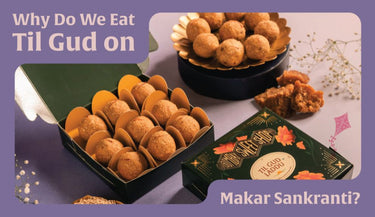
As January arrives, the Indian sky transforms into a canvas of colorful kites, and the crisp winter air fills with the aroma of roasting sesame. Makar Sankranti is here. It is one of the few Indian festivals that follows the solar cycle and marks the transition of the sun into Capricorn. But beyond the kites and the holy dips in the Ganges, there is one element that defines this festival across the subcontinent. That element is Tilgul.
Whether you call it Gajak, Rewari, or enjoy a classic Tilgul laddu, the combination of sesame and jaggery is ubiquitous during this time. But have you ever paused to wonder why? Is it just a sweet tradition, or is there a deeper reason our ancestors insisted on this specific pairing? As it turns out, the tradition of sharing makar sankranti Tilgul is a masterclass in both ancient Ayurveda and social psychology.
The Cultural Heart: Understanding Tilgul Meaning
To truly appreciate this festival, one must understand the Tilgul meaning. In Maharashtra, the exchange of these sweets is accompanied by the famous phrase “Til gul ghya, god god bola.” Translated, it means “Take this sweet and speak sweetly.”
This phrase captures the social essence of the festival. Makar Sankranti Tilgul acts as a symbolic reset button for relationships. Jaggery is sticky and binds the tiny sesame seeds together just as it is meant to bind people. By exchanging a Tilgul ladoo, friends and foes alike agree to bury the hatchet and let go of past bitterness. The deep Tilgul meaning is about starting the new year with sweetness in speech and behavior, fostering unity in the community.
The Ancient Roots: A Look at Tilgul History
The Tilgul history runs deep into the agricultural roots of India. Sesame is considered one of the oldest oilseeds known to humanity. In the Hindu calendar, Makar Sankranti marks the beginning of the harvest season.
In Hindu mythology, Yama, the God of Death, blessed the sesame seed and regarded it as a symbol of immortality. Historically, sesame was often the first harvest of the season. This made it the most abundant and logical offering to deities during celebrations. Over centuries, this offering evolved into the delicious Tilgul ladoo varieties we enjoy today.
Why Til and Gul Are Eaten Specifically in Winter
From a scientific perspective, our ancestors were nutritional geniuses. Winter is a time when the human metabolism slows down, and we become susceptible to stiffness and lethargy. The Makar Sankranti Tilgul tradition addresses this perfectly.
Sesame, or Til, is classified in Ayurveda as a hot potency food. It contains healthy fats that help generate internal body heat and lubricate joints that often get stiff in cold weather. Jaggery, or Gul, is a complex carbohydrate. Unlike refined sugar, it digests slowly and provides a steady release of energy.
Unlocking the Health Secrets: Tilgul Ladoo Benefits
Eating these sweets is not just a ritual. It is a health booster. When you look at the Tilgul ladoo benefits, it becomes clear why this is a winter superfood.
- Immunity Booster: Sesame is packed with zinc, copper, and iron, while jaggery is rich in antioxidants. Together, they strengthen the immune system against seasonal flu.
- Guilt Free Energy: While a Tilgul laddu may contain around 60 to 100 calories depending on size, these Tilgul calories come from healthy fats and unrefined sugars that provide sustained energy.
- Bone Health: Sesame seeds are rich in calcium, even more than milk, making them essential for maintaining bone density, especially during winter.
Buying vs Making: Checking Tilgul Laddu Price
As the festival approaches, markets flood with options. If you are short on time, buying may be the easier choice. When checking the Tilgul laddu price, remember that quality matters. A very low price may indicate the use of liquid glucose or refined sugar instead of pure jaggery.
Authentic sweets made with pure ghee and premium sesame will naturally have a slightly higher Tilgul laddu price, but the taste and health benefits justify the cost. Always review the ingredient list to ensure authenticity.
Tilgul in Different Parts of India
- Maharashtra: Enjoyed as sugar-coated sesame seeds or classic Tilgul ladoo.
- North India: Consumed as Rewari and Gajak during Lohri.
- Karnataka: Known as Ellu Bella, a mix of sesame, fried gram, and jaggery.
Conclusion
Makar Sankranti is a reminder of how Indian traditions align with nature. Tilgul is not just a sweet. It is history, nutrition, and emotional bonding rolled into one.
This Sankranti, do not stress over Tilgul calories. Share a Tilgul ladoo, enjoy a piece of chikki, and let the warmth of Til and jaggery bring sweetness to your celebrations.
FAQs
1. Why do we eat Til in Makar Sankranti?
Til is a heat-generating food that helps keep the body warm during winter and provides essential nutrients like calcium.
2. What is the significance of Tilgul in Makar Sankranti celebrations?
Tilgul symbolizes bonding and reconciliation, encouraging people to speak sweetly and strengthen relationships.
3. What is the history of Tilgul?
Tilgul history traces back to ancient harvest traditions where sesame was the first crop offered to gods and ancestors.
4. Are there health benefits to this sweet?
Yes, Tilgul ladoo benefits include stronger immunity, improved digestion, and better bone health.
5. How many calories are in a Tilgul laddu?
A standard Tilgul laddu typically contains between 60 to 100 calories, depending on size.
6. Where can I find the best Tilgul laddu price?
Local sweet shops and trusted online stores offer good options, but quality ingredients matter more than the lowest price.